
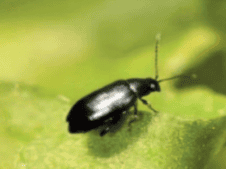
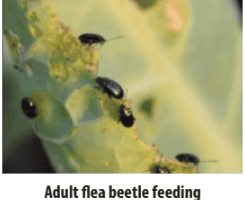
Have you ever noticed obnoxious little holes in your arugula plants? Chewed up cucumber or squash flowers? Asparagus fronds stripped of their leaves? If so, you’ve got pest beetles living in your garden, ruining your crops, and generally making a mess of things!
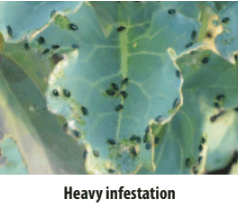
But where do flea beetles, cucumber beetles, and asparagus beetles even come from? That is a mystery no one could possibly solve, but to mitigate the damage, that is another matter altogether!
Hard-shelled beetles have tough outer layers made of chitin, and this allows them to overwinter successfully in our gardens. Cabbage root maggot adults, certain cutworms, and the above mentioned beetles will seek shelter in leaf litter during the colder months, and a thick, undisturbed layer of debris near your vegetable beds could give them cozy real estate.
But wait! Isn’t it good to add organic matter in the form of leaves, grass clippings, and the like to your garden beds to amend the soil, and give everything a recharge? Not so fast! The devil is in the details.
Compost first! Instead of layering raw leaves directly on beds, compost them in one of those black bins, or something similar. Composting kills most pest eggs and larvae and turns the leaves into rich humus. If you add leaves to the bin now, it should all be ready to work in the ground come springtime.
Here’s a related idea; leaf mold. It’s like gold for the garden. What you do is pile leaves in a separate corner and let them decompose over a year. Use the finished leaf mold product as a soil amendment without giving pesky pests winter homes next to your fragile spring seedlings.
Finally, get creative and create pest traps! Pile leaves at the edge of the garden as a sacrificial winter refuge. The pests overwinter there and can be targeted in early spring before they invade beds.
Long story short: remove weeds and other debris from your garden to reduce pests. A small insulating layer can benefit native pollinators (see article “Putting Your Garden to Rest” from Autumn 2021). Use fallen leaves after a certain amount of time in a pile or composter to amend soil without running the risk of harbouring nasties that will eat your hard-earned veggies.
See our Field Guide to Common Garden Pests and Diseases for more information. https://www.durhamdigs.ca/resources/