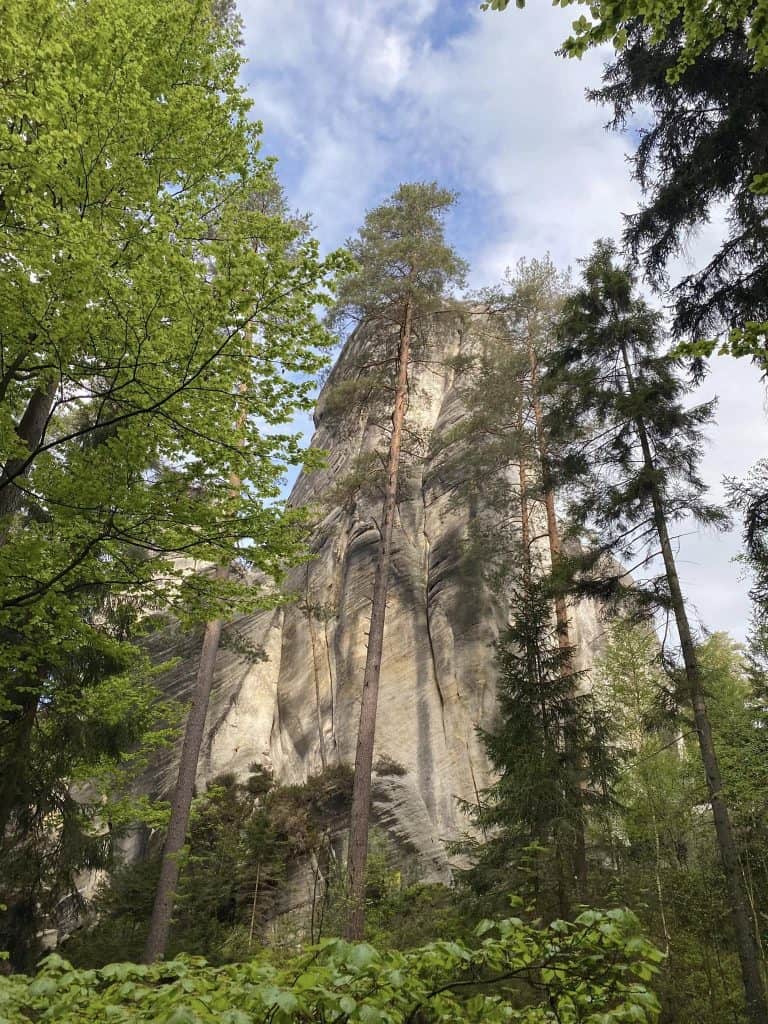
Whilst hiking in Czechia last May, 2025, it struck me suddenly; trees were here before us, and will long outlast us all. The dark tight junctions and hard edges of the rock cliffs of Adrspach National Park seem to provide an inhospitable place to lay down your roots, and yet, here I was, in the middle of a forest.
How do trees do it? After an ice age of epic proportions, some trees are like pioneers and colonize an area relatively quickly, making it easier for the next wave of residents to lay down roots.
Quaking aspens, silver birches, red cedars – they all swiftly take over from grasses and shrubs, shading them out over time. Our favourite tree species, those giants of the forest, Beech and Oak, have a much harder time, yet somehow they manage, with time, patience, and a little help from some friends.
According to “The Hidden Life of Trees”, by Peter Wohlleben, a beech tree drops at least 30,000 nuts every 5th year. If the tree reaches the ripe old age of 400 years old, it will have fruited 60 times, and made 1.8 million beechnuts. But here is the kicker; exactly one of these seeds will develop into a full-grown beech tree, and as Wohlleben puts it, “that is a high rate of success, similar to winning the lottery”.
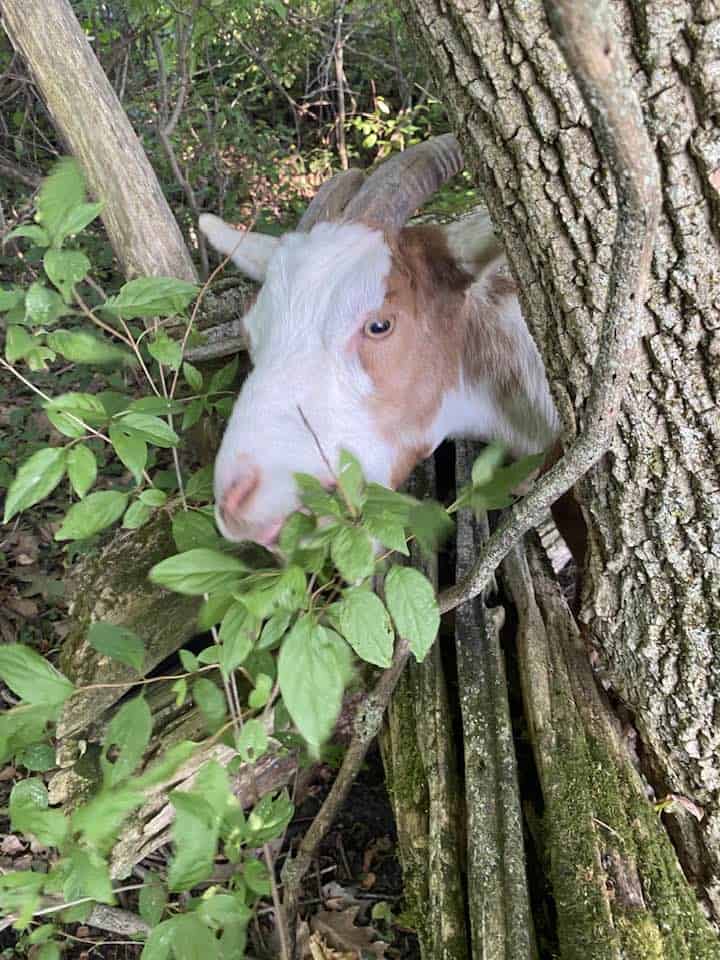
The rest of those precious beechnuts succumb to rot, returning to the earth to nourish the mother tree until the next wave of seeding, or gets carried off by a squirrel, is eaten by a deer, wild boar, or sometimes, a goat with a good appetite.